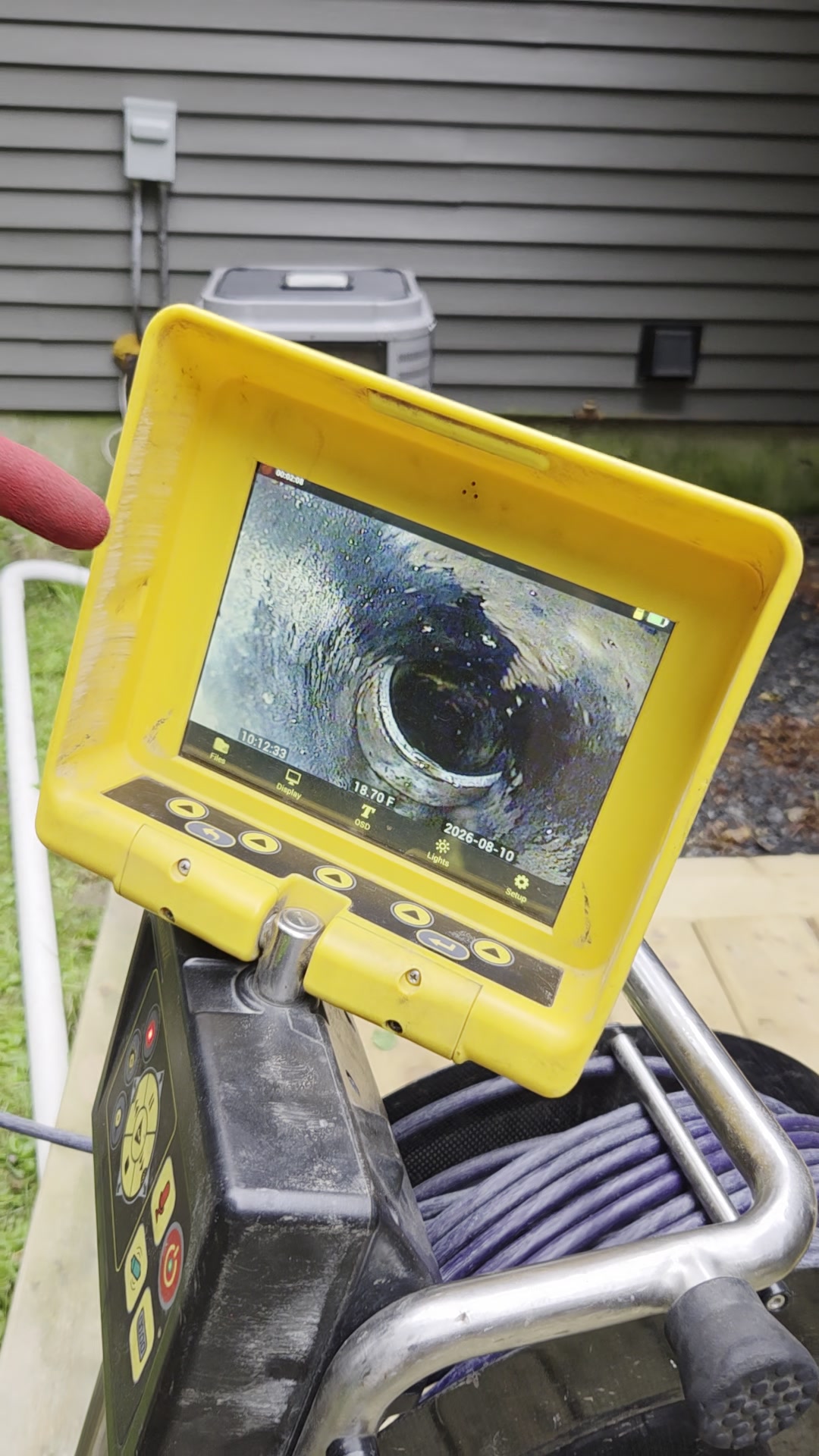
01WHAT WE NOTICED
Something caught our attention.
It might be visible.
It might be inconsistent with what we were told.
It might simply be something that deserves verification before making an assumption.
The point is not to manufacture a problem.
The point is to recognize when another question should be asked.
02WHAT WE CHECKED
Once we know the question, we figure out the appropriate way to investigate it.
That might mean:
- reviewing documents
- checking permits
- examining renovation history
- bringing in a home inspector
- speaking with an engineer
- testing a well
- inspecting a septic system
- consulting another qualified specialist
I do not pretend to be every professional.
My job is to recognize when the decision needs better information and help get the right person involved.
03WHAT WE FOUND
This is where assumption gets replaced by evidence.
Sometimes the finding confirms that everything is fine.
Sometimes it gives us more context.
Sometimes it uncovers something that was not apparent during a normal walkthrough.
And sometimes the finding materially changes the conversation.
04WHAT IT MEANT
A finding only matters if we understand its relevance to the property and the decision.
- Could it affect cost?
- Future maintenance?
- Renovation plans?
- Financing?
- Insurability?
- Negotiation?
- Value?
- Or whether the property is still the right fit?
This is where information becomes useful.
05WHAT WE DECIDED
The goal of due diligence is not to kill a deal.
It is to make a better decision.
Sometimes we proceed.
Sometimes we renegotiate.
Sometimes we investigate further.
Sometimes the issue turns out to be manageable.
And sometimes the smartest decision is to move on.
The answer can change.
The standard does not.